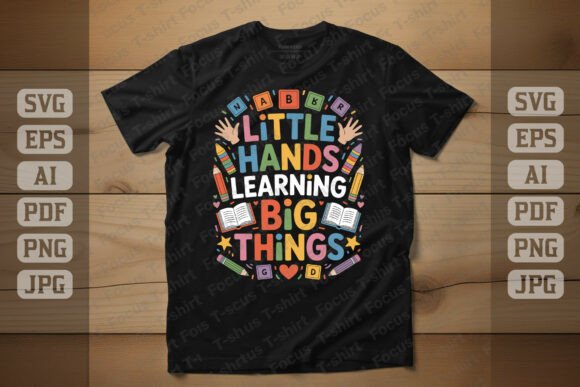
Little Hands Learning Big Things
As a designer and embroidery product reviewer, I often find myself evaluating machine embroidery designs with a critical eye—especially when they’re intended for real-world use. Little Hands Learning Big Things is one such design that caught my attention for its thoughtful theme and potential in various embroidery projects. Let’s dive into what this design offers and how it might fit into your creative workflow.
First Impressions: A Design That Speaks to Purpose
The first thing that stands out about Little Hands Learning Big Things is its mood. It feels warm, encouraging, and deeply rooted in the idea of growth and education. The design’s layout is clean, with a central focus on the phrase “Little Hands Learning Big Things,” surrounded by small, stylized hands. This visual metaphor immediately conveys a sense of nurturing and learning, making it ideal for projects aimed at childcare professionals, educators, or parents.
The level of detail is moderate, which means it works well on both simple and more intricate embroidery projects. The shape and theme suggest it would be most effective on larger surfaces like tote bags, sweatshirts, or baby items where the message can be clearly seen and appreciated.
Real-World Embroidery Performance
When considering Little Hands Learning Big Things for real-life embroidery situations, it’s important to think about where it will be used. This design excels on custom apparel, especially t-shirts and sweatshirts, where the message can be prominently displayed. It also has strong potential as a tote bag design or a sweatshirt embroidery that can be used in boutique products or small shop merchandise.
For baby items, such as onesies or blankets, the design’s soft, approachable style makes it a great choice. It could also work well as an embroidered patch for aprons or caps, adding a personal touch to functional wear. In holiday or wedding gift scenarios, the design could be adapted into a meaningful personalized gift that resonates with the recipient.
As a digital embroidery file, it’s likely to be versatile for craft businesses and Etsy sellers looking for unique design assets. However, it’s important to test the design on different fabric types before committing to a project, especially if you’re working with textured or stretchy materials.
Where to Use With Caution
While Little Hands Learning Big Things is a solid design, there are some situations where it may not perform as well. For example, on small hoop sizes, the details might get lost, so it’s best suited for medium to large hoop setups. If you're working with thin or dark fabrics, the thread colors may not show up as clearly, so testing on scrap fabric is essential.
On curved surfaces like caps or hats, the design may require some adjustment to ensure the text remains legible. Similarly, if the design includes tiny lettering or dense stitch areas, it could become less readable or cause stitching issues. Always check the stitch density and consider using a proper stabilizer to prevent puckering or distortion.
Impact on Visual Appeal and Customer Perception
Little Hands Learning Big Things has a strong visual appeal that can elevate the value of any handmade product or personalized gift. Its clean layout and meaningful message make it stand out in a crowded market, helping to build customer trust and engagement. When used effectively, it can add a professional touch to your brand’s offerings, whether you're selling on Etsy, at craft fairs, or in a small shop.
For commercial embroidery projects, this design could serve as a valuable asset, especially if you're targeting markets related to education, childcare, or family-oriented products. It also has potential as a printable mockup or digital product preview, allowing customers to visualize how the design will look on their chosen item.
Practical Designer Notes
Before finalizing any project with Little Hands Learning Big Things, here are a few key steps to take:
- Test the design on scrap fabric to see how it looks with your chosen thread colors.
- Review the stitch density to ensure it’s appropriate for your fabric type and project needs.
- Confirm the hoop size required for the design to avoid unnecessary resizing or modification.
- Inspect small details, such as corners or lettering, to ensure they remain clear after stitching.
- Test the design in black and white mockups to see how it translates without color.
- Compare how it looks on light and dark fabric backgrounds to determine the best application.
- Use the right stabilizer to prevent puckering, especially on delicate or stretchy materials.
- Check if the design is suitable for both personal and commercial projects, and confirm licensing terms before selling finished items or digital products.
Final Thoughts: A Thoughtful Addition to Your Embroidery Library
Little Hands Learning Big Things is a design that carries emotional weight and practical versatility. Whether you're creating custom apparel, baby items, or personalized gifts, this design has the potential to enhance your work and resonate with your audience. Its clean aesthetic and meaningful message make it a strong candidate for a wide range of embroidery projects, from small business merchandise to handmade crafts.
As with any embroidery file, it’s always wise to approach it with care and experimentation. By taking the time to test and refine your application, you can ensure that Little Hands Learning Big Things becomes a standout piece in your collection—and a hit with your customers.